

· By Mark Boston
7 Reasons Organic Rum Is Better for the Environment
Last Updated: November 16, 2026
Quick Summary
Organic rum is better for the environment only in specific, limited ways: it is distilled from sugar cane farmed without synthetic pesticides and fertilisers, which protects soil health and biodiversity. Certification proves how the cane was grown, not how the distillery runs, so energy source and waste handling must be checked separately.
- Organic certification covers the agricultural side only, not distillery energy, water use or waste.
- Organic cane fields avoid synthetic herbicides, so ground cover and soil life are not stripped out.
- Fermentation and distillation are heat-intensive, so a distillery on fossil fuels carries a far heavier footprint.
- Vinasse, the liquid waste left after distillation, pollutes watercourses if handled badly.
- Ask which certification body, the distillery energy source, packaging material and waste handling.
Want rum with nothing to hide?Quinn's Pour makes copper pot distilled spiced rum with 100% natural ingredients and a purpose behind every bottle.
Shop Quinn's Pour Rum
Table of Contents
- What Organic Certification Actually Guarantees
- How Sustainable Sugar Cane Farming Reduces Environmental Harm
- Cutting the Rum Distillery Carbon Footprint
- How to Choose Sustainable Spirits
- Frequently Asked Questions
What Organic Certification Actually Guarantees
Organic rum is a spirit distilled from sugar cane grown and processed under certified organic standards, with synthetic pesticides and fertilisers excluded, and that is what the term organic rum means in practice. The honest answer starts here: certification proves how the cane was grown, not how the distillery runs.
A certified organic bottle tells you the sugar cane was farmed without synthetic chemical inputs. It says nothing about the distillery's energy source, water use or waste, treating the label as a full environmental verdict is a common mistake.
To check whether a brand's wider sustainability claims stack up, read our story. Or browse the bottles and taste the difference yourself.
How Sustainable Sugar Cane Farming Reduces Environmental Harm
Sustainable sugar cane farming reduces environmental harm mainly by protecting soil health and biodiversity. Organic cane fields avoid synthetic herbicides, so ground cover and soil life are not stripped out season after season.
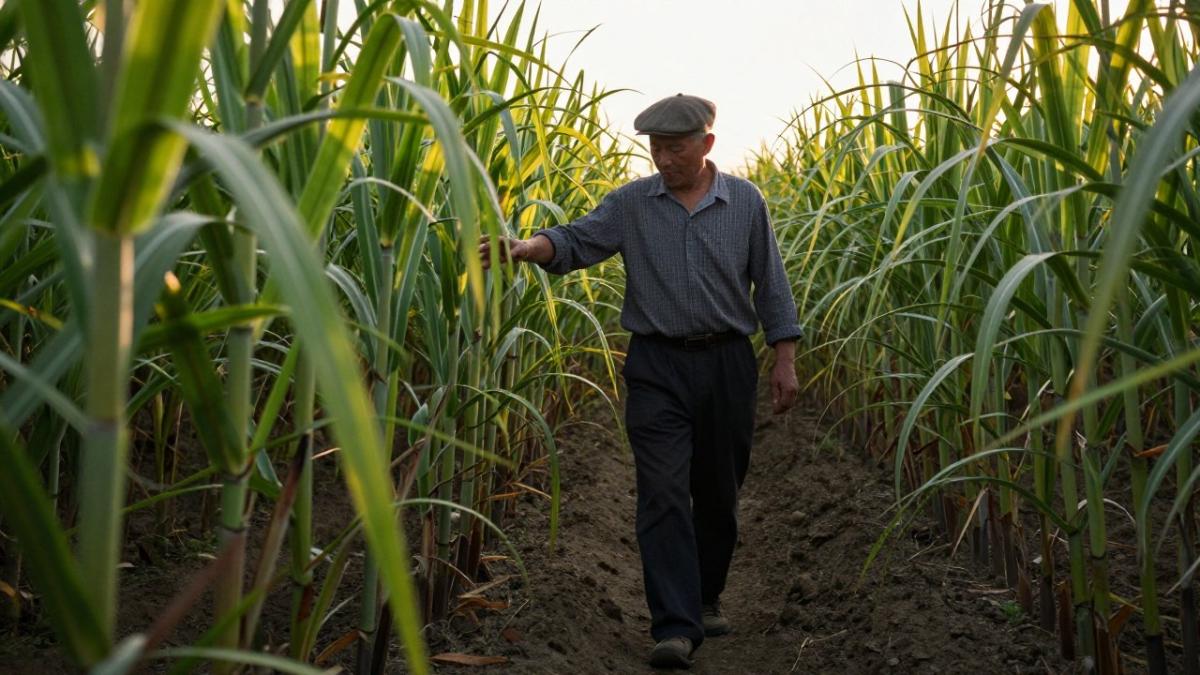
The gains are real but narrow: organic cultivation addresses chemical inputs and soil quality on the farm, not water pollution downstream or emissions from distillation. For brands putting these practices into action, see our guide to sustainable craft spirits.
Cutting the Rum Distillery Carbon Footprint
Most of a bottle's carbon footprint is decided after the cane leaves the field. Fermentation and distillation are heat-intensive, so a distillery running on fossil fuels carries a far heavier footprint than one using renewable energy, however the cane was grown.
The two questions are best treated separately. Organic certification covers the agricultural side; the distillery carbon footprint covers energy, waste management and packaging. Vinasse, the liquid waste left after distillation, is a particular pressure point: handled badly it pollutes watercourses, handled well it can be treated or returned to the land.
Watch out: a "carbon neutral" claim often rests on offsetting rather than actual emission cuts, so ask what was measured and what was reduced. For more, read about cutting carbon in craft distillery operations and eco-friendly packaging in premium spirits.
How to Choose Sustainable Spirits
Choosing sustainable spirits comes down to reading the label for what it actually certifies, then asking the brand the questions the label does not answer. A certification logo is a starting point, not a finish line.
Two or three clear yeses beat a page of green imagery. If a brand cannot tell you how its spirit was made beyond the cane, that silence is informative.
| Question to ask | What a good answer looks like | Why it matters |
|---|---|---|
| Which certification body? | A named, audited scheme | Proves the organic claim is verified |
| Distillery energy source? | Renewable or grid with stated mix | Drives most of the carbon footprint |
| Packaging material? | Recyclable glass, plastic-free closure | Cuts waste at the bottle stage |
| Distillery waste handling? | Treated or returned to land | Protects watercourses from vinasse |
| Claim specificity? | Numbers, not adjectives | Separates substance from marketing |
The gap between a green label and a genuinely lighter bottle is where most buying decisions go wrong. At Quinn's Pour, we distil our spiced rum in copper pots using 100% natural ingredients, and we are honest that certification, energy and packaging are three different conversations. Join the Pack and taste a rum made with that clarity in mind.
Frequently Asked Questions
Is organic rum better for the environment?
Organic rum tends to have a lighter environmental footprint because organic sugar cane farming avoids synthetic pesticides and fertilisers, which reduces chemical runoff into waterways and supports healthier soil. Certification also rules out certain inputs and sets standards for how crops are grown. That said, organic status alone does not measure carbon emissions, water use or packaging, so it is one useful signal among several rather than a complete guarantee.
Does organic sugar cane use fewer pesticides?
Yes. Organic certification prohibits synthetic pesticides, herbicides and fertilisers, so growers rely on crop rotation, natural pest controls and compost instead. This lowers the risk of chemical runoff polluting local water and soil. It is worth checking which certification body has verified the claim, as standards and enforcement vary between schemes.
How can I tell whether a rum brand's sustainability claims are credible?
Look for third-party certification rather than vague wording like natural or eco-friendly. Check whether the label names a recognised certification body, whether the bottle or website explains packaging choices such as recyclable or plastic-free materials, and whether the brand publishes any measurable environmental data. If a claim cannot be verified by an independent scheme, treat it as marketing until the brand provides specifics.


