

· By Editorial Team
Sustainable Craft Spirits: 5 Eco-Friendly Rums to Try in 2026
Table of Contents
- What Makes a Spirit Brand Truly Sustainable?
- 5 Sustainable Craft Spirits Worth Your Attention
- The Benefits of Copper Pot Distillation for Quality and Waste
- How to Identify Sustainable Alcohol: Labels and Certifications
- The Rise of Eco-Friendly Rum Brands in the UK
- Conclusion: Raise a Glass to Responsible Drinking
- Frequently Asked Questions
Last Updated: September 6, 2026
The rise of sustainable craft spirits marks a genuine shift in how we drink, moving beyond marketing buzzwords toward measurable environmental and ethical commitments. For the discerning drinker, choosing a bottle now involves scrutinising everything from ingredient sourcing to packaging weight and supply chain transparency. This guide from Quinn's Pour explores what sustainability really means in the world of small-batch distillation, and highlights the eco-friendly rum brands and other spirits leading the charge in 2026.
At Quinn's Pour, we believe the most compelling sustainable craft spirits tell a complete story: where the botanicals grew, how the distillery manages its water, and what happens to the bottle after you finish it. Below, we'll show you exactly how to identify sustainable alcohol with confidence, covering the five core categories of ethical production that matter most, from regenerative agriculture to closed-loop manufacturing. We'll also examine why copper pot distillation remains the gold standard for both quality and waste reduction, and look at the growing appetite for eco-friendly rum brands across the UK.
What Makes a Spirit Brand Truly Sustainable?
True sustainability in spirits production extends far beyond a single organic ingredient or a recycled label. A genuinely sustainable craft spirits operation addresses the full lifecycle of its product, which means evaluating energy intensity, water usage, packaging materials, and the social impact on local communities.
The most credible producers prioritise three interconnected pillars. First, agricultural practices that regenerate soil rather than deplete it, such as sourcing sugarcane molasses from farms using cover cropping. Second, manufacturing efficiency, where distilleries recover waste heat and reuse cooling water. Third, circular packaging, which involves lightweight glass, natural corks, and plant-based inks that break down safely.
A common mistake is equating "small batch" with "sustainable." Small scale reduces transport emissions, but a distillery running inefficient stills or shipping heavy bottles across the globe can still carry a hefty footprint. Look for producers who publish their environmental data openly, as transparency is the clearest signal of genuine commitment.
5 Sustainable Craft Spirits Worth Your Attention
The sustainable craft spirits category is wonderfully diverse, spanning rum, gin, vodka, whisky, and liqueurs. Rather than a prescriptive ranking, here are five categories and approaches that demonstrate what ethical production looks like in practice, with real examples of the movement's leaders.
Quinn's Pour: Purpose-Driven Spiced Rum
Quinn's Pour offers a premium range of copper pot distilled spiced rums that proves ethics and exceptional flavour are not mutually exclusive. Each batch is crafted using 100% natural, vegan-friendly ingredients, ensuring a smooth, rich profile.
The sustainable craft spirits ethos at Quinn's Pour is woven into every stage of production. The rum is UK produced, supporting local small businesses and reducing the carbon miles associated with Caribbean imports, while the packaging is sustainably produced and fully recyclable. What truly sets this brand apart is its purpose-driven model: every purchase contributes directly to dog rescue and welfare initiatives, allowing conscious consumers to indulge knowing their choice supports vulnerable animals.
For those who have been let down by "vegan" claims before, the commitment to natural ingredients here is unambiguous, with no hidden additives or artificial flavourings. The copper pot distillation delivers a complexity that sets it apart, making it a choice for the home bar.
Independent Gins Championing Local Botanicals
Gin presents one of the clearest opportunities for sustainable craft spirits because its flavour depends entirely on botanicals. Independent distilleries across the UK are forging direct relationships with local farms to source juniper, coriander seed, and citrus peel, drastically cutting the supply chain emissions tied to imported ingredients.
These producers often operate on a smaller scale, using energy-efficient stills and repurposing spent botanicals as compost for the very farms that supply them. When evaluating a gin, check whether the distillery names its growers on the bottle or website; this level of traceability is a hallmark of authentic sustainable craft spirits.
Vodkas from Regenerative Farms
Vodka is typically a blank canvas, but a new wave of producers is turning it into a statement about soil health. These sustainable craft spirits are distilled from grains grown on regenerative farms, where practices like crop rotation and minimal tillage actively sequester carbon in the ground.
Beyond the agricultural benefits, these vodkas often come in lighter glass bottles or refillable formats, tackling the significant emissions associated with packaging. The result is a clean, smooth spirit that carries a genuinely lower environmental impact from field to glass.
Whiskies with Closed-Loop Production
Whisky production is notoriously resource-intensive, requiring years of maturation and significant energy for distillation. The most innovative sustainable craft spirits in this category are adopting closed-loop systems, where spent grain becomes animal feed and wastewater is treated and reused on site.
Some distilleries are even powering their operations using biomass from the very barley they malt. This circular approach reduces waste to near zero, and the long maturation period means today's sustainable investments will define the quality of whisky available in the 2030s.
Craft Liqueurs with Upcycled Ingredients
A particularly exciting corner of the sustainable craft spirits market involves upcycling. These liqueurs rescue surplus fruit, coffee husks, or whey from other food producers, transforming what would be waste into rich, flavourful bases for premium products.
This approach tackles food waste head-on, a significant environmental issue, while creating unique flavour profiles you cannot find elsewhere. Choosing an upcycled liqueur is one of the simplest ways to support a circular economy within your drinks cabinet.
The Benefits of Copper Pot Distillation for Quality and Waste
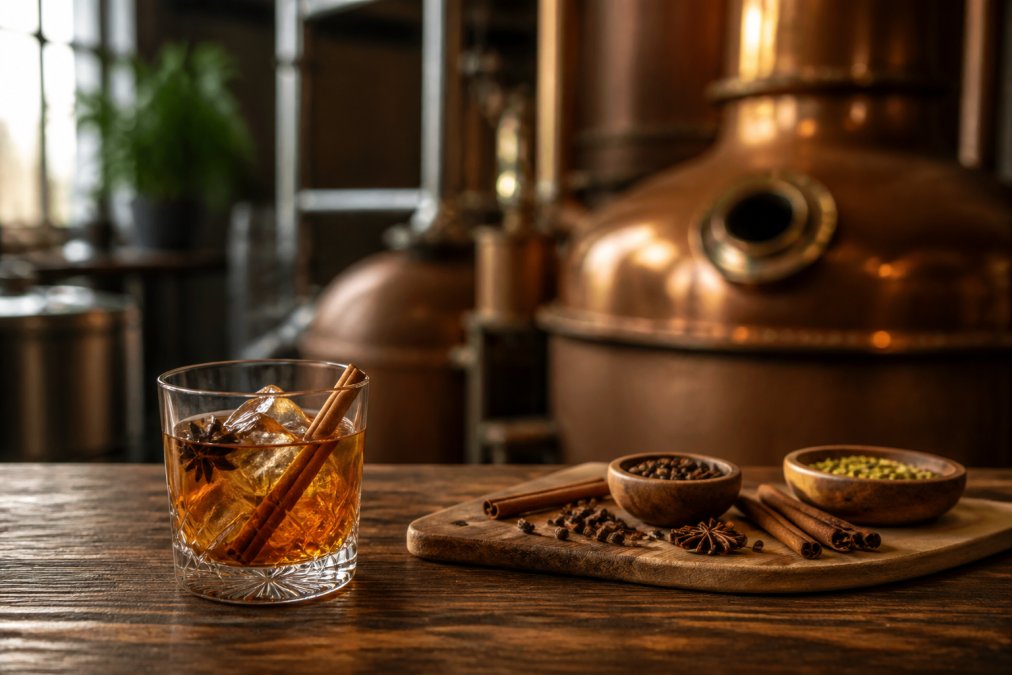
Copper pot distillation is the traditional method that defines the character of premium sustainable craft spirits. The copper reacts with sulphur compounds during the heating process, removing harsh, unpleasant notes and producing a smoother, more refined spirit that requires no artificial smoothing agents.
From a sustainability perspective, the benefits of copper pot distillation are substantial. While a column still runs continuously, a copper pot still operates in batches, which paradoxically allows for greater control over the "cuts." The distiller can discard the harsh heads and cloudy tails, retaining only the pure, flavourful heart of the run. This selective approach ensures every drop bottled is of the highest quality, reducing the likelihood of waste further down the line.
Producers of eco-friendly rum brands often favour this method because it aligns with their ethos of craftsmanship over volume. The slower, more deliberate process supports a higher price point that reflects the true cost of quality, allowing smaller distilleries to remain viable without compromising their environmental standards.
Pro Tip
When tasting a copper pot distilled rum, look for a lingering, clean finish. That smoothness is a result of the copper's interaction with the spirit during distillation.
How to Identify Sustainable Alcohol: Labels and Certifications
Learning how to identify sustainable alcohol requires looking past attractive packaging and asking pointed questions. Several certifications and labels provide reliable shortcuts, though the landscape can be confusing for the average shopper.
Organic certification, such as that from the Soil Association, guarantees the absence of synthetic pesticides in crop production (soilassociation.org). Vegan certification is equally important, as many spirits are fined using isinglass, a derivative of fish bladders, or filtered through animal products. For sustainable craft spirits, look for explicit vegan labelling to avoid this hidden animal ingredient.
Beyond certifications, scrutinise the distillery's own claims. Look for specific mentions of renewable energy usage, water recycling rates, and the weight of the glass bottle. A brand that discusses its carbon footprint in concrete terms is generally more credible than one using vague language about "nature." As documented in guidance from the drinks sustainability roundtable, a holistic view of packaging and transport is essential to understanding a product's true impact.
Watch Out
Be wary of "greenwashing." A single recycled label or a picture of a leaf on the bottle does not make a spirit sustainable. Always check the distillery's website for detailed, third-party verified claims about their production methods.
The Rise of Eco-Friendly Rum Brands in the UK
The UK market has seen a notable surge in eco-friendly rum brands, driven by consumers who want the rich, complex flavours of the Caribbean without the associated environmental guilt. This demand is reshaping how rum is produced and marketed, with a focus on transparency and ethical sourcing.
Historically, rum has faced scrutiny over its environmental impact, from sugarcane farming practices to the carbon cost of shipping. The new wave of eco-friendly rum brands addresses these issues directly, often by producing in the UK using imported molasses or by partnering with Caribbean distilleries that prioritise renewable energy and fair labour practices.
This shift reflects a broader consumer trend toward ethical consumption. According to research on ethical consumerism trends, shoppers are increasingly willing to switch brands to support a good cause, particularly when the quality of the product remains uncompromised. For the home mixologist, this means the option to build a fully sustainable bar without sacrificing the depth of flavour expected from a premium spirit.
Conclusion: Raise a Glass to Responsible Drinking
Navigating the world of sustainable craft spirits is about looking beneath the surface to understand a brand's true commitment to the planet and its people.
The categories we have explored demonstrate that ethical production is not a niche afterthought but a driving force for innovation in flavour and quality. Whether you choose a regenerative vodka or an upcycled liqueur, your choice sends a clear signal about the kind of industry you want to support.
For those seeking a rum that embodies these principles, Quinn's Pour stands out as a purpose-driven option. Our copper pot distilled spiced rum is crafted with 100% natural, vegan-friendly ingredients, produced sustainably in the UK with fully recyclable packaging. By choosing Quinn's Pour, you are not just selecting a premium spirit for your home bar; you are joining a community that supports dog rescue and welfare with every bottle. Join the Pack and discover how good responsible drinking can taste.
Frequently Asked Questions
What makes a spirit brand sustainable?
A sustainable spirit brand looks at its entire impact. This includes sourcing ingredients locally or organically, reducing water and energy use during distillation, and choosing recyclable or refillable packaging. Many eco-friendly rum brands also focus on social responsibility, such as supporting local communities or animal welfare causes. For Quinn's Pour, sustainability means copper pot distillation for quality, 100% natural vegan ingredients, recyclable packaging, and contributing to dog rescue initiatives. Look for transparency about these practices on a brand's website to verify their claims.
Are there vegan-friendly craft spirits available in the UK?
Yes, many craft spirits are naturally vegan, but it is not guaranteed. The main concern is the fining agents used during filtration, which can be derived from animals. Look for an explicit 'vegan' label or certification on the bottle. Quinn's Pour spiced rum is 100% natural and vegan friendly, ensuring no animal products are used at any stage. Checking the brand's website for a clear ingredients list is the safest way to confirm a spirit is suitable for a vegan lifestyle.
How do copper pot stills impact the sustainability of rum production?
Copper pot distillation primarily impacts quality, but it also supports sustainable consumption. The copper reacts with sulphur compounds, removing unwanted flavours and producing a cleaner, smoother spirit. This means the rum often requires fewer additives and less sugar to taste good. Craft producers typically run smaller batches, which can lead to less waste. The focus on quality over quantity encourages drinking less but better, a core principle of sustainable craft spirits.
How can I tell if a spirit is genuinely eco-friendly?
Look beyond the label and check the distillery's stated practices. Genuine eco-friendly rum brands will discuss their sourcing, packaging, and waste management openly. Look for specific claims, such as '100% renewable energy', 'locally sourced botanicals', or 'plastic-free packaging', rather than vague terms like 'natural'. Certifications such as Organic or B Corp provide third-party verification. For Quinn's Pour, we highlight our copper pot distillation, recyclable packaging, and support for dog rescue to demonstrate our commitment.
Ready to join the pack? Explore our range of sustainable craft spirits and find your new favourite pour today.


