

· By Editorial Team
Vegan Alcohol Brands: A Guide to Ethical Spirits
Table of Contents
- What Makes Alcohol Non-Vegan?
- How to Identify Vegan Alcohol
- Understanding Sustainable Craft Spirits
- Vegan Alcohol Brands Worth Exploring
- Common Mistakes When Choosing Vegan Alcohol Brands
- Where to Buy Vegan Spirits
- Frequently Asked Questions
Last Updated: October 4, 2026
What Makes Alcohol Non-Vegan?
Most people assume all alcohol is vegan. It isn't. Many spirits contain animal-derived ingredients or are processed using animal products, which makes them unsuitable for those following a vegan lifestyle. Understanding what goes into your drink is the first step toward making ethical choices.
The main culprits are fining agents. Winemakers and distillers use these substances to clarify their products and remove unwanted particles. Common fining agents include isinglass (derived from fish bladders), gelatinee (from animal bones), and egg white. Some producers also use milk products or honey during production. These ingredients don't remain in the final bottle, but their use during processing means the spirit isn't vegan-friendly.
Beyond fining agents, some spirits contain added ingredients like carmine (a red dye made from insects) or certain colourings derived from animal sources. The production method matters too. If a distillery uses bone char to filter their spirits, the product falls outside vegan guidelines.
This is where vegan alcohol brands set themselves apart. They deliberately choose plant-based alternatives and transparent production methods. At Quinn's Pour, we ensure our copper pot distilled spiced rums use only natural, vegan-friendly ingredients and avoid animal-derived processing methods entirely.
How to Identify Vegan Alcohol
Identifying vegan alcohol requires looking beyond the label. Many spirits don't disclose their fining agents or production methods on the bottle itself, which makes research essential before purchase.
The most reliable approach is to check for vegan certification. Look for symbols from recognised vegan organisations on the bottle or on the producer's website. These certifications mean an independent body has verified that no animal products were used at any stage of production or processing.
If certification isn't visible, visit the brand's website directly. Ethical producers, especially those focused on vegan alcohol brands, publish detailed information about their ingredients and processes. This transparency is a green flag. Brands that hide this information or provide vague answers are worth avoiding.
You can also use online resources and databases that list vegan-friendly spirits. These tools let you search by brand, type, or region. Many independent retailers specialising in vegan products maintain updated lists of vegan alcohol brands available in their region.
Ask questions when buying from independent shops. Staff at specialist retailers often know which vegan alcohol brands they stock and can explain the production methods. This personal touch helps you make informed choices and supports businesses aligned with your values.
Understanding Sustainable Craft Spirits
Sustainable craft spirits go beyond just being vegan. They represent a commitment to environmental responsibility, fair labour practices, and community impact. Understanding what makes a spirit truly sustainable helps you distinguish genuine ethical producers from those using "green" marketing without substance.
Sustainable craft spirits typically source their ingredients responsibly. This means working with local farmers, using organic or regeneratively grown crops, and minimising chemical inputs. The production process itself matters, energy-efficient distillation, water conservation, and waste reduction are hallmarks of genuinely sustainable operations.
Small-batch production is often more sustainable than mass manufacturing. Craft distilleries typically have tighter control over their supply chains and can respond quickly to environmental concerns. They're also more likely to invest in innovative practices that reduce their carbon footprint.
Purpose-driven production adds another layer. Some distilleries donate a portion of proceeds to charitable causes. This model aligns profit with positive impact, whether that's supporting animal rescue, environmental conservation, or community development. Quinn's Pour exemplifies this approach by contributing to dog rescue and welfare initiatives alongside producing premium vegan alcohol brands.
Transparency is essential. Sustainable craft spirits producers share their sourcing, production methods, and impact metrics openly. They're proud of their practices and want customers to understand the story behind each bottle.
Vegan Alcohol Brands Worth Exploring
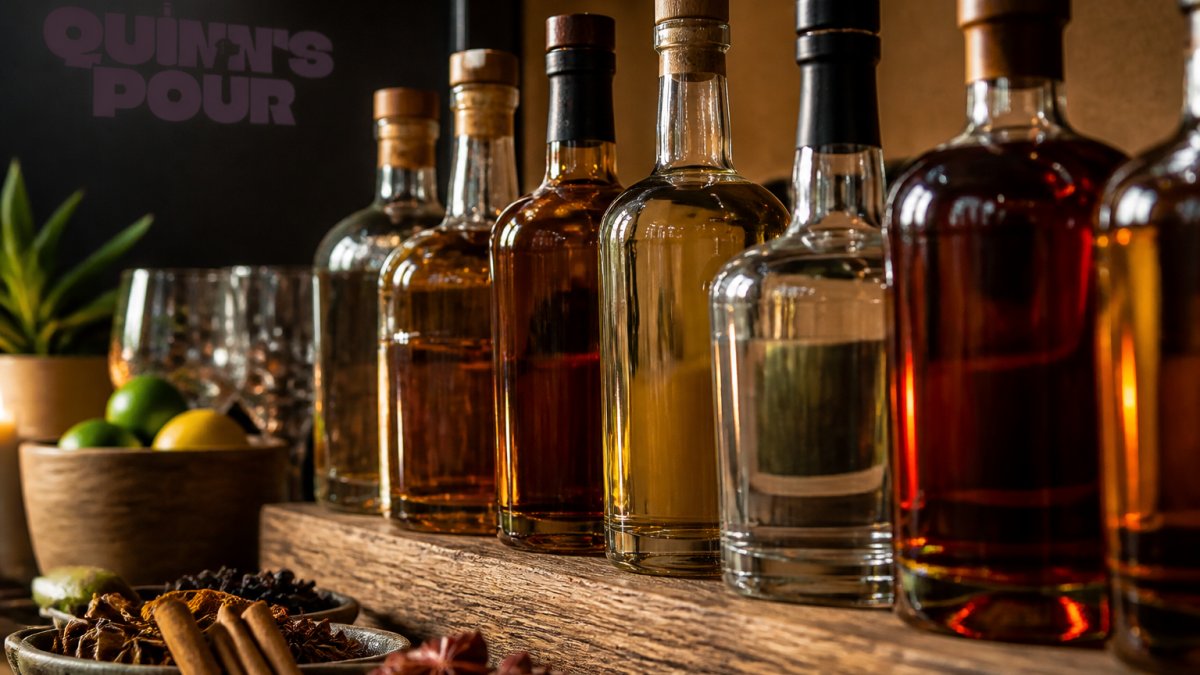
The market for vegan alcohol brands has expanded significantly. Whether you're seeking spiced rum, gin, vodka, or whisky, options exist that align with your ethical values without compromising on flavour or quality.
Quinn's Pour stands out in the vegan alcohol brands category. Our copper pot distilled spiced rums combine complex flavour profiles with unwavering ethical standards. Every bottle uses 100% natural ingredients, vegan-friendly processing, and supports dog rescue and welfare initiatives. We've built our reputation on transparency, you'll find detailed information about our production methods on our website.
Beyond Quinn's Pour, other craft producers are earning recognition for their commitment to vegan alcohol brands. Some focus exclusively on plant-based spirits, whilst others have recently transitioned their entire ranges. The variety means you can explore different styles and flavour profiles whilst staying true to your values.
When exploring vegan alcohol brands, consider what matters most to you. Are you prioritising environmental impact? Animal welfare? Community contribution? Different brands emphasise different values, so understanding your own priorities helps narrow the field.
What to Look for in Premium Vegan Spirits
Quality matters in vegan alcohol brands, perhaps even more than in conventional spirits. Premium vegan options often cost more because ethical sourcing, careful production, and third-party certification require investment.
Look for spirits made in small batches using traditional methods. Copper pot distillation, for example, produces more nuanced flavours than industrial processes. The time and skill involved justify higher price points.
Ingredient transparency is crucial. Premium vegan alcohol brands list their ingredients clearly and explain their sourcing. Single-origin spirits, those made from ingredients grown in one region, often offer superior quality and a clear story.
Taste profiles matter too. A premium vegan spirit should deliver complexity and character. Whether it's layered spice notes, subtle fruit undertones, or a smooth finish, the flavour should justify the investment. Many premium vegan alcohol brands offer tasting notes on their websites or invite customer reviews that describe the experience.
Checking Certifications and Labels
Certifications provide peace of mind when choosing vegan alcohol brands. Several organisations now certify vegan spirits, making it easier to identify products that meet strict standards.
The Vegan Trademark is one of the most recognised symbols. If you see this on a bottle, an independent body has verified that no animal products were used anywhere in production. Other certification bodies exist regionally, so familiarise yourself with those recognised in your area.
Beyond vegan certification, look for other ethical marks. Organic certification indicates responsible farming practices. Fair trade symbols show that producers paid fair wages and supported sustainable agriculture. Some vegan alcohol brands carry multiple certifications, signalling a comprehensive commitment to ethics.
Read the small print on labels. Some spirits might say "suitable for vegan diets" without formal certification. Whilst this can be accurate, official certification offers greater assurance. If you're uncertain, contact the producer directly, legitimate ethical brands respond promptly to questions.
Common Mistakes When Choosing Vegan Alcohol Brands
Many people make predictable errors when first exploring vegan alcohol brands. Understanding these mistakes helps you navigate the market more confidently.
Assuming all craft spirits are vegan. Small-batch production doesn't automatically mean vegan-friendly. Many craft distilleries still use traditional fining agents. Always verify, even when buying from independent producers.
Overlooking the production method. A spirit might use vegan ingredients but non-vegan processing. For example, some distilleries use bone char for filtering. Check the entire production chain, not just the final ingredients list.
Paying premium prices without understanding why. Ethical vegan alcohol brands cost more for legitimate reasons, certified sourcing, careful production, and charitable contributions. However, some producers charge premium prices without clear justification. Research what you're paying for.
Ignoring flavour profiles. Choosing a spirit purely because it's vegan can lead to disappointment if the taste doesn't suit your palate. Premium vegan alcohol brands should deliver on flavour as well as ethics. Read reviews and, when possible, try before committing to a full bottle.
Trusting marketing over substance. Some brands use "vegan-friendly" claims without backing them up with certification or transparency. Look for evidence, not just claims. Genuine vegan alcohol brands make their practices visible.
Where to Buy Vegan Spirits
Finding vegan alcohol brands requires knowing where to look. The good news is that options have expanded beyond specialist health shops.
Online retailers now stock extensive ranges of vegan alcohol brands. Specialist vegan shops often curate selections and provide detailed product information. General e-commerce platforms increasingly filter by dietary requirements, making it easier to find vegan options alongside conventional spirits.
Independent bottle shops with an ethical focus are worth visiting. Staff at these retailers typically understand vegan alcohol brands deeply and can recommend options based on your preferences and budget. They often stock smaller producers you won't find in supermarkets.
Direct from producers is another route. Many vegan alcohol brands sell through their own websites, sometimes offering exclusive products or special editions. Buying direct supports the business and often provides the most detailed information about production methods and ingredients.
Supermarkets are slowly expanding their vegan alcohol offerings. Larger chains now dedicate shelf space to certified vegan spirits, though selection varies by location. Check the vegan section or ask staff where vegan alcohol brands are stocked.
When ordering spirits online, ensure the retailer is licensed to sell alcohol in your region and handles delivery responsibly. Damaged bottles during transit are frustrating, particularly with premium vegan alcohol brands. Reputable retailers use proper packaging and offer replacements if bottles arrive damaged.
Choosing vegan alcohol brands means aligning your purchases with your values without compromising on quality or taste. The market has matured enough that you can find genuinely excellent spirits that meet strict ethical standards. Start by identifying what matters most to you, whether that's animal welfare, environmental impact, or community contribution, then explore brands that share those priorities. Quinn's Pour delivers on all fronts: premium copper pot distilled spiced rum, 100% natural vegan-friendly ingredients, and a commitment to dog rescue and welfare. Join the Pack and discover how ethical spirits can enhance your experience.
Frequently Asked Questions
How can I tell if an alcoholic drink is vegan?
Check the label for vegan certification symbols or statements. Many vegan alcohol brands display the Vegan Society trademark. You can also contact the producer directly or visit their website to confirm their production methods. Avoid spirits filtered through animal products like isinglass (fish bladder) or bone char, which are common in non-vegan production.
Why is some alcohol not considered vegan?
Many spirits use animal-derived fining agents during production. Isinglass (fish bladder), gelatinee (animal bones), and egg white are common clarifying agents. Additionally, some brands use animal-based additives or test on animals. Even natural-sounding spirits can contain hidden animal products, which is why checking vegan alcohol brands specifically matters for ethical consumers.
What's the difference between vegan alcohol brands and regular craft spirits?
Vegan alcohol brands deliberately exclude animal products from production and clarification processes. They often prioritise sustainable craft spirits practices, including ethical sourcing and minimal environmental impact. Many also support charitable causes. Regular craft spirits may use traditional methods involving animal derivatives, even if the base ingredients are plant-based.
Are certified vegan spirits more expensive than conventional ones?
Premium vegan alcohol brands often cost more due to specialised production methods, ethical sourcing, and certification processes. However, price varies widely based on distillery size, ingredients, and production technique rather than vegan status alone. Quality and craftsmanship typically drive cost more than the vegan designation itself.


