

· By Editorial Team
Copper Pot Distilled Rum: 7 Benefits Explained
Table of Contents
- Why Copper Pot Distilled Rum Tastes Different
- Pot Still vs Column Still Rum: What's the Difference?
- How Copper Stills Improve Spirit Quality
- Why Small Batch Spirits Taste Better
- The Health and Quality Advantages of Copper Pot Distilled Rum
- What to Look For in a Copper Pot Distilled Rum
- Frequently Asked Questions
Last Updated: September 27, 2026
Why Copper Pot Distilled Rum Tastes Different
Copper pot distilled rum benefits begin with flavour: the method produces a richer, heavier spirit than modern column distillation, and that difference is measurable in the glass. At Quinn's Pour, we built our range around copper pot stills precisely because the method preserves the character that column distillation strips away.
Copper pot distillation is a batch process in which a copper vessel is heated and the resulting vapour is condensed back into liquid, leaving the spirit with more of the compounds that carry aroma and body. The result is a rum that tastes fuller, rounder, and more complex.
So why does the same base ingredient produce such different results? Three things decide it: the still itself, the number of times the spirit is distilled, and how much of the flavour-carrying compound the distiller chooses to keep. Copper pot stills give the distiller far more control over all three.
Below, we break down how copper pot stills work, why they matter for rum, and what to look for when you buy.
Pot Still vs Column Still Rum: What's the Difference?
Pot still rum is distilled in batches and retains more flavour compounds, while column still rum is distilled continuously and comes out lighter and more neutral. The still type is the single biggest factor separating a heavy, aromatic rum from a clean, mixable one.
How a Pot Still Works
A pot still is a copper vessel heated from below. Vapour rises, travels through a swan neck, and condenses back into liquid. Because it runs one batch at a time, the distiller can make precise cuts, separating the harsh early and late portions of the run from the smooth middle. Copper pot distilled rum typically comes off the still at a lower strength, which leaves more of the original flavour intact.
How a Column Still Works
A column still, sometimes called a continuous still, uses stacked plates to distil spirit in an unbroken flow. It is efficient and produces a very high-strength, light spirit. What it gains in volume, it loses in character: most of the heavier aromatic compounds are left behind.
| Feature | Pot Still | Column Still |
|---|---|---|
| Process | Batch | Continuous |
| Spirit character | Heavy, aromatic | Light, neutral |
| Distiller control | High | Lower |
| Best for | Sipping, spiced rum | Light mixing rums |
How Copper Stills Improve Spirit Quality
Copper stills improve spirit quality by reacting with sulphur compounds during distillation, removing the harsh, eggy notes that would otherwise carry into the bottle. The copper is not decoration. It is an active part of the process.
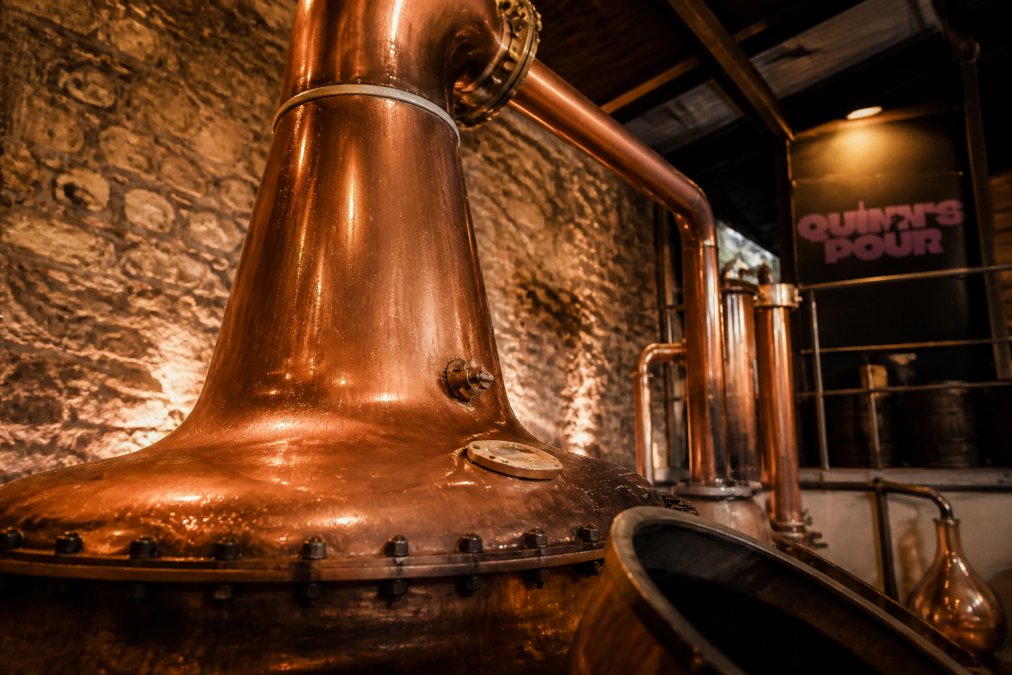
The Chemistry Behind Copper
During distillation, sulphur-based compounds bind to the copper surface and are left behind in the still. Strip that reaction out and the spirit keeps a rougher, more sulphurous edge. A common mistake in cheaper production is to run a stainless steel still and add copper only as an afterthought, which never delivers the same result.
Why Copper Still Matters for Rum
Rum is made from sugar cane, and cane-based washes carry more of these sulphur compounds than grain. That makes copper more valuable here than in almost any other spirit. Copper pot distilled rum benefits from the metal at every stage: it softens the spirit, lifts the fruit and spice notes, and gives the finished bottle a cleaner finish.
Pro Tip
Ask a distiller what their still is made of before you ask about ageing. A copper still and a stainless one can produce the same spirit on paper, but only one will taste like it was made with care.
Why Small Batch Spirits Taste Better
Small batch spirits taste better because the distiller can afford to be selective. When you are running a few hundred litres rather than tens of thousands, you can throw away the harsh cuts and keep only the heart of the run.
The Role of Craftsmanship
Craft distillers read the still by smell, taste, and timing rather than by a fixed schedule. The thing nobody tells you about small batch production is how much is discarded: the finest spirit is often a fraction of what goes in. That waste is the point. It is also why small batch spirits taste better in a way that is hard to fake at volume.
Key Takeaway
The best indicator of quality in a small batch rum is not the age statement. It is whether the producer is willing to talk about their cuts, their still, and what they leave out.
The Health and Quality Advantages of Copper Pot Distilled Rum
Copper pot distilled rum carries a quality advantage from the copper itself, which removes sulphur compounds during distillation, and from the fact that pot-distilled spirits are rarely produced at the extreme strengths that strip flavour. Many drinkers find pot-distilled rum smoother and easier on the palate than a comparable column-distilled bottle.
It is worth being honest about the limits here. No distillation method makes a spirit "healthy", and anyone claiming otherwise is overselling. What copper pot distillation does offer is a cleaner, more natural-tasting spirit, which sits well with the wider move toward drinks made from simple, traceable ingredients. At Quinn's Pour, our spiced rums are made with 100% natural ingredients, are vegan friendly, and are produced with recyclable packaging, so the quality in the bottle matches the ethics behind it.
What to Look For in a Copper Pot Distilled Rum
Look for the words "pot still" or "copper pot distilled" on the label, a named distillery rather than a generic bottling brand, and a clear statement of ingredients. Those three signals separate genuine craft rum from a spirit that simply borrows the language.
A short checklist to run through before you buy:
- Does the label name the still type, not just "premium"?
- Is the distillery named, or is it an anonymous bottling?
- Are the ingredients listed in full, with no hidden additives?
- Does the producer explain their process, or just their marketing?
- Do they state where the spirit is produced and bottled?
The final point matters more than most buyers realise. Transparency about process is the clearest sign that a producer has nothing to hide. If a brand will not tell you how the rum was made, the flavour will usually tell you anyway.
Watch Out
Do not assume "small batch" on a label means small production. The term is not regulated, so it can appear on spirits made at industrial scale. Check for a named distillery instead.
The challenge with copper pot distilled rum is that genuine craft production is slower and more expensive, so the market is full of bottles that borrow the language without the method. Quinn's Pour exists to close that gap: our range is copper pot distilled for a smoother, richer spirit, made with 100% natural, vegan-friendly ingredients, and produced with recyclable packaging. Every bottle also supports dog rescue and welfare work, so your choice does something beyond your glass. Join the Pack and taste the difference for yourself.
Frequently Asked Questions
Why is copper preferred for distiling rum?
Copper is preferred because it reacts with sulphur compounds during distillation, removing harsh, unpleasant flavours and creating a smoother spirit. It also conducts heat evenly, which helps maintain consistent temperatures throughout the distillation process. Many distillers believe copper contributes a subtle richness that other materials cannot replicate, making it a traditional choice for quality rum production.
Does copper pot distilation affect the flavour profile of rum?
Yes, copper pot distilation significantly affects flavour. The copper removes impurities while allowing more of the spirit's natural character to remain. This creates rum with deeper, more complex notes including caramel, tropical fruit, and warm spice. Compared to column stills, pot stills typically produce fuller-bodied spirits with more pronounced flavour, which is why many premium and small batch rums use this method.
Is copper pot distiled rum considered higher quality?
Copper pot distilled rum is often considered higher quality because the batch process allows distillers to make precise cuts, selecting only the best portions of each run. This hands-on approach, combined with copper's purifying properties, tends to produce smoother, more flavourful spirits. However, quality ultimately depends on the distiller's skill, the ingredients used, and proper ageing, not just the equipment alone.
What are the benefits of small batch rum production?
Small batch production allows distillers to focus on quality over quantity. Each batch receives individual attention, and distillers can make adjustments based on how the spirit develops. This often results in more consistent flavour and a smoother finish. Small batch spirits also tend to use better ingredients and traditional methods, creating a more authentic and enjoyable drinking experience for those who appreciate craft spirits.


