

· By Mark Boston
7 Ingredients That Shape Artisanal Rum Flavour
Last Updated: November 4, 2026
Quick Summary
The best ingredients for artisanal rum are the base, the water, the yeast and any spices, and each one shapes the final flavour. Fresh sugar cane juice gives a grassy, bright spirit, while molasses adds deeper toffee and dark fruit notes. Yeast strains and fermentation temperature also drive the fruity character of the finished rum.
- Fresh sugar cane juice must be used within hours of pressing because it ferments almost immediately.
- Molasses brings deeper notes of toffee, dark fruit and liquorice and is rich in fermentable sugars.
- Esters, which create fruity aromas, are influenced by yeast strain, sugar source and fermentation temperature.
- Spices should enhance the rum rather than mask it, so balance matters more than quantity.
- Natural ingredients can add clean flavour but may vary from batch to batch, so consistency needs careful management.
Table of Contents
- Why the Ingredients Decide How Artisanal Rum Tastes
- Sugar Cane Versus Molasses: Choosing the Base
- The Water in Your Rum and Why It Counts
- Rum Fermentation Yeast and the Flavour It Builds
- Spiced Rum Ingredients: Where Flavour Meets Craft
- Ingredient Quality, Sourcing and Natural Ingredients
- Tasting Quinn's Pour: Put the Ingredients to the Test
- Frequently Asked Questions
Why the Ingredients Decide How Artisanal Rum Tastes
Artisanal rum gets its character long before it reaches the glass. Every choice, from the base material to the yeast in the wash, shapes the final flavour. At Quinn's Pour, we believe the best ingredients for artisanal rum production are the ones that respect craft at every stage. This guide walks through the seven ingredients that matter most, and why each one earns its place.
Most people judge a rum by its finish and its sweetness. Those qualities trace back to the base, the water, the fermentation and the spices. Get those right and the rest of the process becomes far easier. Get them wrong and no amount of ageing will fully rescue the spirit.
Sugar Cane Versus Molasses: Choosing the Base
The base is the foundation of the whole spirit, and the choice between fresh cane juice and molasses is the single biggest fork in the road. Rum can be made from fresh sugar cane juice or from molasses, the thick by-product left after sugar is extracted. Each produces a noticeably different character.
Fresh sugar cane juice. Juice is pressed from cut cane and begins to ferment almost immediately, so it must be used within hours of pressing. The resulting wash is grassy, bright and lighter in body, with vegetal and citrus notes that carry through distillation.
Molasses. Molasses brings deeper notes of toffee, dark fruit and liquorice, and it is rich in the sugars that feed fermentation.
How the choice maps to style. Lighter spirits often lean on fresh juice, while heavier, spiced expressions often lean on molasses for its depth. Molasses gives a richer canvas for warming spices such as vanilla and raisin, while fresh juice gives a cleaner, more vegetal expression.
What to check before you commit. Whether you work with juice or molasses, judge the base on freshness, sugar content and freedom from off-notes. Neither base is superior; the right choice depends on the style you want to create.
The Water in Your Rum and Why It Counts
Water makes up the majority of a rum before distillation, and its quality plays a role in the finished spirit.
Quinn's Pour's rums are handcrafted near Buckinghamshire and distilled in copper pot stills.
Rum Fermentation Yeast and the Flavour It Builds
Yeast is the quiet engine of rum production, and it is where much of the spirit's personality is decided before a single drop is distilled. It converts sugars into alcohol and, along the way, produces the esters and aromatic compounds that define a rum's fruitiness and character. Different yeast strains create very different results, from light and floral to heavy and tropical.
The main families of yeast. Distillers generally choose between a few broad options, including cultured distilling yeasts, which are selected for reliability and repeatable results, and wild or ambient fermentation, which can build depth but is far less predictable.
Why esters matter. Esters are the aromatic compounds behind notes of banana, pineapple, pear and tropical fruit. They form during fermentation and are influenced by the yeast strain, the sugar source and the temperature. A warm, fast ferment tends to push more of these fruity esters; a cooler, slower ferment usually builds more layered, restrained flavour.
Black Spiced Vanilla N' Raisin Rum 70cl →
Time and temperature. Fermentation time and temperature matter just as much as the yeast itself, and they shape how layered the final flavour becomes.
Spiced Rum Ingredients: Where Flavour Meets Craft
Spiced rum adds a second layer of ingredients after distillation, and the balance here is delicate. Vanilla, raisins, citrus, basil, ginger and roasted coffee each bring something distinct. The aim is to enhance the rum, not to mask it.
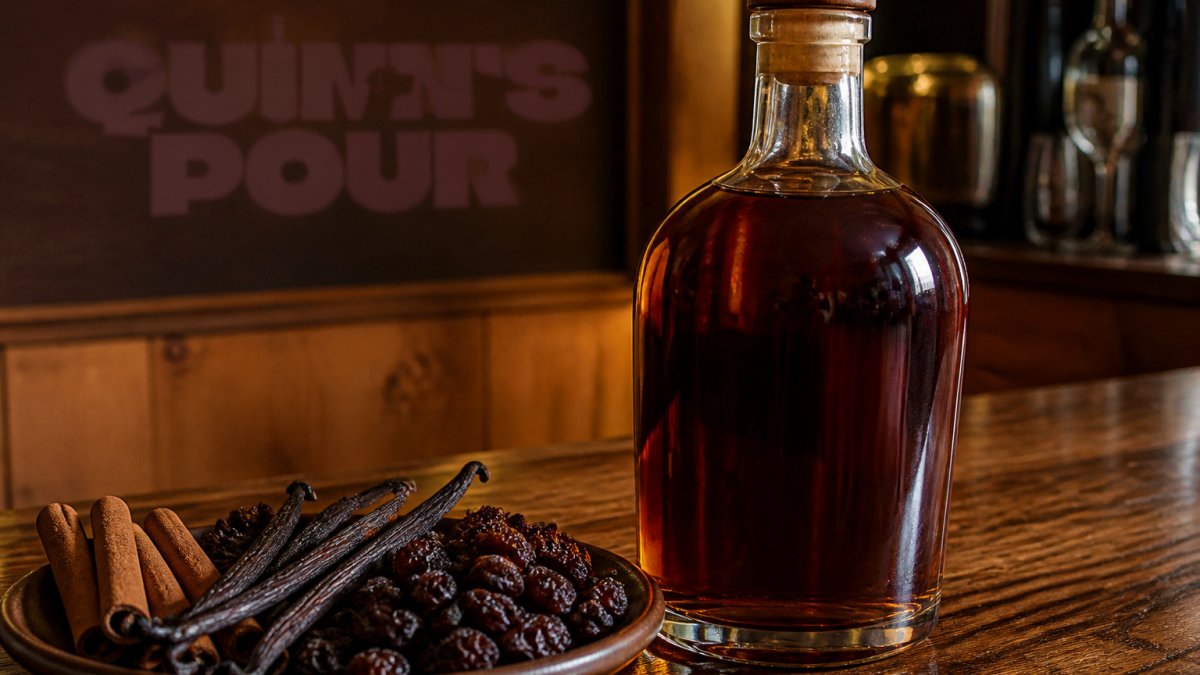
Our Black Spiced Vanilla N' Raisin Rum 70cl (£40.00) shows what careful pairing can do. Smooth vanilla and sun-dried raisins sit alongside warming spice, giving a rich, dark profile. For a brighter option, the Golden Spiced Citrus N' Basil Rum 70cl (£40.00) combines zesty citrus, aromatic basil and a warm ginger kick.
Pros of well-chosen spices: they add depth, versatility for cocktails and a memorable finish. Cons: heavy-handed spicing can overwhelm the base rum and hide the craftsmanship underneath.
Ingredient Quality, Sourcing and Natural Ingredients
Ingredient quality shows up in the glass. The Caribbean rum base and the flavouring ingredients both affect taste.
For readers curious about making rum from natural ingredients themselves, our guide on how to make rum with natural ingredients walks through the process step by step. If you are weighing up spice blends, our spiced rum flavour profiles compared guide sets the options side by side.
Pros of natural sourcing: cleaner flavour, transparency about what goes in the bottle. Cons: natural ingredients can vary from batch to batch, so consistency takes careful management.
Tasting Quinn's Pour: Put the Ingredients to the Test
Reading about ingredients is one thing. Tasting them is where the story comes alive. You can explore the vanilla and raisin profile of the Black Spiced Vanilla N' Raisin Rum and taste the difference for yourself. Our range shows how the same copper pot distilled base can take on very different personalities depending on what is blended in.

| Product | Price | Flavour Profile | Best Served |
|---|---|---|---|
| Black Spiced Vanilla N' Raisin Rum 70cl | £40.00 | Vanilla, raisin, warming spice | Over ice or with Colas |
| Golden Spiced Citrus N' Basil Rum 70cl | £40.00 | Citrus, basil, ginger | Over ice or with Ginger Ale |
| Coffee Spiced Caramel Latte Rum 70cl | £35.00 | Roasted coffee, caramel, mellow spice | Over ice or in espresso cocktails |
| Best of Both Pack | £75.00 | Dark and golden spiced rums together | Neat, mixed or side by side |
| The Rum Litter Pack | £105.00 | All three signature spiced rums | Over ice, with a mixer or in cocktails |
If you are new to spiced rum, the Quinn's Pour Spiced Rum Companion's Gift Pack is a lovely place to begin. It contains one of each spiced rum in 5ml bottles, so you can taste the full range before committing to a full bottle. Those who want to sample the whole range at once can pick up The Rum Litter Pack, while anyone drawn to the bright, zesty profile can buy Golden Spiced Citrus N' Basil Rum directly. Once you have tasted the ingredients for yourself, the difference between a careful, artisanal spirit and a mass-produced one becomes easy to appreciate and taste.


Frequently Asked Questions
What ingredients are used to make rum?
Rum is made from sugar-cane products, usually molasses or fresh sugar-cane juice, water and yeast. Spiced rums add flavourings such as vanilla, raisins, citrus, coffee or ginger after distillation. Each ingredient influences the final taste, so artisanal producers choose them with care. Looking at the label and asking about the base ingredient is a sensible first step for anyone who wants a richer, more characterful spirit.
Is molasses or fresh sugar-cane juice better for rum?
Neither is better in every case. Molasses, a by-product of sugar refining, gives rum deeper, more caramelised and treacly notes. Fresh sugar-cane juice produces a lighter, grassier and often brighter spirit. The choice depends on the style you want. Many spiced rums use molasses because its richness suits warm flavourings such as vanilla and spice.
What yeast is best for fermenting rum?
Distillers often use cultivated yeast strains for consistency, while some traditional producers rely on wild yeasts from the cane or the environment. Yeast converts sugars into alcohol and produces flavour compounds along the way. Fermentation length and temperature also matter. A well-managed ferment gives the distiller a clean, expressive base to build on, which is why yeast choice is a quiet but important part of artisanal production.
Do spices count as ingredients in rum production?
Yes, when the rum is a spiced rum. Spices and natural flavourings such as vanilla, raisins, citrus zest, basil, ginger and coffee are added to create the blend's character. Quinn's Pour's spiced rums are built around this approach, using copper pot distillation for the base spirit before the flavour-forward spices are blended in. Tasting each flavour profile is the simplest way to see how the additions work together.
How do ingredients affect the flavour of artisanal rum?
Every ingredient leaves a trace in the glass. The sugar base sets the body and sweetness, the yeast contributes fruity or earthy esters, the water affects mouthfeel, and added spices shape the finish. Careful sourcing and balanced blending keep these elements in harmony. This is why two rums made from the same cane can taste quite different, and why ingredient choices matter so much to craft producers.


