

· By Editorial Team
How Barrel Ageing Shapes Spirit Flavour: A Complete Guide
Last Updated: October 24, 2026
Quick Summary
Barrel ageing spirits transforms raw distillate into a sophisticated drink through chemical interaction between spirit and wood, extracting compounds that develop flavour, colour, and complexity over time. The process is essential for small batch producers seeking genuine complexity that cannot be achieved through shortcuts or artificial methods.
- American oak imparts sweeter vanilla and caramel notes, whilst European oak contributes drier, more complex flavours of dried fruit and spice.
- Small barrels accelerate maturation due to greater surface-area-to-volume ratio, allowing spirits to develop complex flavours in two years rather than five.
- Temperature and humidity directly affect maturation speed; warmer climates and seasonal temperature swings accelerate wood compound extraction.
- Ex-bourbon barrels contribute whiskey notes and vanilla, whilst ex-wine casks add tannins and dried fruit, creating distinctly different flavour outcomes.
- Well-aged spirits should taste smooth with integrated wood character that complements rather than dominates the base spirit's flavour.
Table of Contents
- What Barrel Ageing Does to Spirits
- How Barrel Ageing Affects Spirit Flavour
- Small Barrel Ageing and Faster Maturation
- How Long to Age Spirits in a Barrel
- Barrel Ageing Rum: Wood Types and Their Effects
- Why Barrel Ageing Matters for Craft Spirits
- Choosing Your First Barrel-Aged Spirit
- Frequently Asked Questions
What Barrel Ageing Does to Spirits
Barrel ageing is the process of maturing spirits in wooden casks to develop flavour, colour, and complexity over time. During this period, the spirit interacts with the wood, extracting compounds that fundamentally transform its character. The longer a spirit rests in a barrel, the more pronounced these changes become.
The role of barrel ageing in small batch spirits cannot be overstated. It's what separates a raw distillate from a sophisticated drink. When spirit sits in wood, it doesn't simply age passively, it undergoes chemical transformation. Oxygen enters through the barrel's pores, alcohol evaporates (what distillers call the "angel's share"), and the spirit absorbs colour and flavour compounds from the wood itself (The Science of Ageing).
Small batch distillers understand this intimately. Every decision about barrel selection, storage conditions, and ageing duration shapes the final product. This is why two spirits distilled from identical recipes can taste completely different if aged in different barrels or for different periods.
How Barrel Ageing Affects Spirit Flavour
The transformation that occurs during barrel ageing affects every sensory aspect of a spirit. What begins as a sharp, unrefined liquid becomes rounded, balanced, and layered. This change is neither accidental nor mysterious, it's the result of predictable chemical reactions between spirit and wood. Discover the broader science of why small batch spirits develop superior flavour through ageing.
Colour and Depth
Barrel ageing creates the colour you see in a glass. New spirit is typically clear or pale. As it rests in wood, it absorbs tannins and other compounds that gradually deepen its hue. A spirit aged for just a few months might be light gold; one aged for years becomes deep amber or mahogany.
This colour isn't merely cosmetic. It signals the concentration of wood compounds in the spirit. Darker colour generally indicates longer contact with the wood or more reactive barrel conditions. The visual depth you observe correlates directly with the flavour intensity you'll experience.
Vanilla, Oak, and Spice Notes
The wood itself is the source of most secondary flavours in aged spirits. Vanilla, caramel, and oak notes emerge as the spirit extracts compounds naturally present in the timber. Different wood types contribute different flavour profiles, some emphasise vanilla sweetness, others bring woody dryness or spice.
Barrel ageing spirits also develops what distillers call "wood spice", notes of cinnamon, clove, and nutmeg that weren't present in the original distillate. These arise from lignin and hemicellulose in the wood, which break down during the ageing process (The Science of Ageing). The interaction between the spirit's congeners and these wood compounds creates entirely new flavour molecules.
For craft spirits, understanding these flavour transformations is essential to creating a distinctive product. The choice of barrel directly determines whether your final spirit tastes of vanilla and honey or oak and pepper.
Small Barrel Ageing and Faster Maturation
Small barrels accelerate the maturation process compared to large casks. The greater surface-area-to-volume ratio means the spirit contacts more wood per unit volume. A spirit in a small barrel might achieve in two years what takes five years in a traditional large cask.
This acceleration is particularly valuable for small batch producers. It allows them to develop complex flavours without requiring decades of storage. The trade-off is precision, faster ageing leaves less room for error. Temperature fluctuations and humidity changes affect small barrels more dramatically than large ones.
Smaller barrels also extract more intense wood flavours. This can be an advantage if managed carefully, but it requires close monitoring. A spirit left too long in a small barrel can become over-oaked, with wood flavours dominating rather than complementing the base spirit.
How Long to Age Spirits in a Barrel
There's no universal answer to how long a spirit should age. The timeline depends on the spirit type, barrel size, storage conditions, and the desired flavour profile. What matters is understanding the relationship between time, temperature, and the final result.
Rum Ageing Timelines
Rum ageing typically ranges from a few months to several decades, depending on the style and producer's intent. Light rums might spend just weeks in barrel, while premium aged rums often rest for 5-15 years or longer. The distinction between styles is partly defined by ageing duration.
Many rum producers find that 3-5 years in barrel produces a well-balanced spirit with noticeable oak and vanilla character but without excessive wood dominance. Longer ageing develops deeper complexity and smoother mouthfeel. The challenge is that ageing is expensive, storage, evaporation loss, and tied-up capital all increase with time.
Temperature and Humidity Impact
Temperature and humidity are the invisible architects of barrel ageing. In warmer climates, the spirit expands and contracts more dramatically with seasonal temperature swings. This "breathing" effect accelerates the extraction of wood compounds. A spirit aged in a warm warehouse matures faster than one in a cool cellar.
Humidity affects evaporation rates. In dry conditions, alcohol evaporates faster than water, concentrating the remaining spirit. In humid conditions, water evaporates preferentially, leaving the spirit stronger. These effects compound over years, significantly altering the final product's character.
Small batch producers must account for their storage environment when planning ageing timelines. A spirit aged in a temperature-controlled warehouse follows a different maturation curve than one stored in a traditional stone cellar with seasonal temperature variation.
Barrel Ageing Rum: Wood Types and Their Effects
The wood chosen for barrel ageing determines the spirit's flavour foundation. Two rums aged identically in different barrels will taste distinctly different. Understanding wood types is essential to appreciating why barrel ageing matters.
American Oak vs European Oak
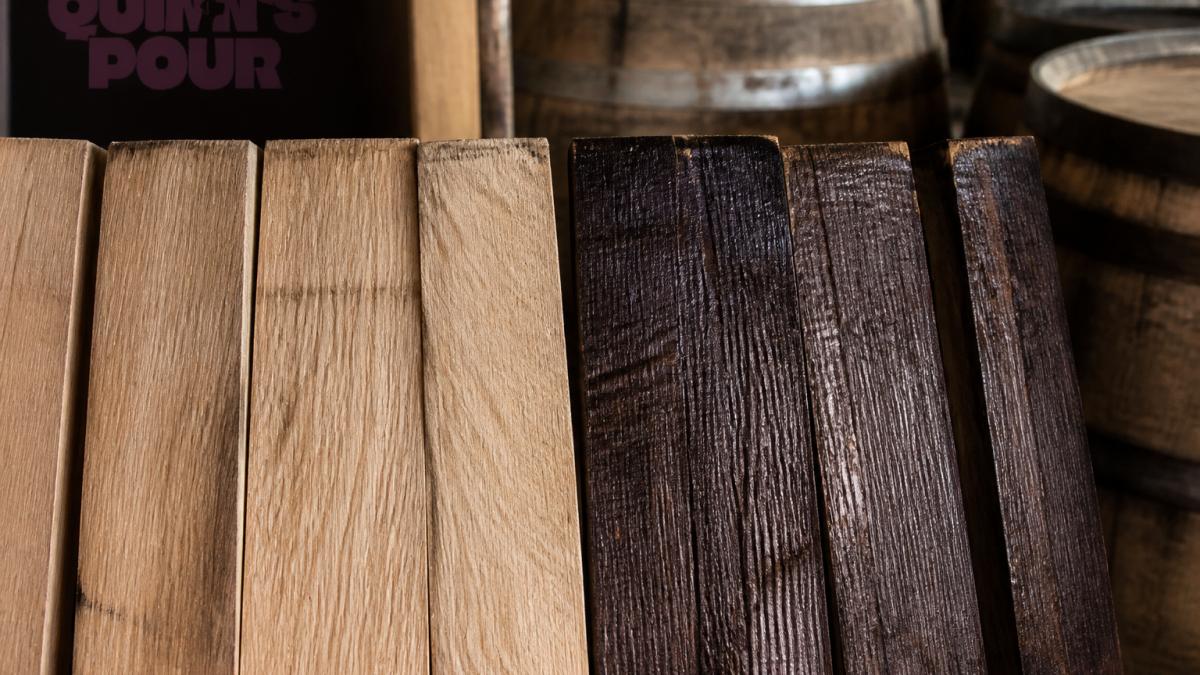
American oak and European oak produce markedly different results in barrel ageing spirits. American oak, typically from white oak species, is more porous and contributes sweeter, more pronounced vanilla and caramel notes. The wood's natural sugars become more accessible to the spirit, creating a softer, rounder flavour profile.
European oak, often from forests in France, Hungary, or Eastern Europe, is denser and tighter-grained. It imparts more subtle, complex flavours, think dried fruit, spice, and leather rather than vanilla sweetness. European oak ageing typically produces a drier, more elegant spirit with greater structural complexity.
The choice between American and European oak reflects a producer's philosophy. American oak accelerates flavour development and creates immediate approachability. European oak demands patience but rewards it with sophistication. Many premium small batch producers blend both, using American oak for approachability and European oak for depth.
Ex-Bourbon and Ex-Wine Casks
Barrels that previously held bourbon or wine carry residual flavours into the next spirit aged within them. An ex-bourbon barrel imparts whiskey notes, vanilla, caramel, and sometimes spice, that layer onto the new spirit's character. These barrels are relatively affordable because they've already given their strongest flavours to bourbon.
Ex-wine casks, particularly ex-red wine barrels, contribute tannins and dried fruit notes. A spirit aged in ex-wine casks develops different colour and flavour than one aged in ex-bourbon barrels. The previous liquid's character becomes part of the new spirit's identity.
The distinction matters significantly for barrel ageing spirits. A rum aged in an ex-bourbon barrel tastes fundamentally different from the same rum aged in an ex-wine cask. Small batch producers select barrels based on the flavour outcome they're pursuing, not simply based on what's available or affordable.
Different barrel types and wood species produce distinctly different flavour outcomes in aged spirits.
| Barrel Type | Wood Origin | Flavour Profile |
|---|---|---|
| American oak | White oak, typically USA | Vanilla, caramel, sweeter, rounder |
| European oak | France, Hungary, Eastern Europe | Dried fruit, spice, leather, drier |
| Ex-bourbon barrel | Previously held bourbon | Whiskey notes, vanilla, caramel, spice |
| Ex-wine cask | Previously held red wine | Tannins, dried fruit notes |
Why Barrel Ageing Matters for Craft Spirits
Barrel ageing separates craft spirits from industrial ones. Industrial producers often use shortcuts, adding flavours chemically, using wood chips or staves rather than full barrels, or accelerating ageing through temperature manipulation. These methods produce consistent results quickly but sacrifice authenticity.
Craft producers commit to real barrel ageing because it's the only way to achieve genuine complexity. The process is slow, expensive, and unpredictable. But it's also what creates spirits worth drinking and worth remembering.
Consumers increasingly understand this distinction. They recognise that a spirit aged in a proper barrel tastes different from one that's been flavoured artificially. They value the craftsmanship and the time invested. This appreciation drives demand for genuine barrel-aged spirits among discerning drinkers.
The role of barrel ageing in small batch spirits also reflects ethical production. Real ageing requires patience and care. It cannot be rushed or faked. A distiller who commits to proper barrel ageing is signalling respect for the process and the consumer.
Choosing Your First Barrel-Aged Spirit
If you're new to barrel-aged spirits, start by understanding what to look for. The colour tells you something, deeper colour suggests longer ageing or more reactive barrels. The nose reveals the wood's influence; you should detect vanilla, oak, or spice rather than sharp alcohol.
Taste matters most. A well-aged spirit should feel smooth on the palate with integrated flavours. The wood character should complement rather than dominate. If the spirit tastes overwhelmingly of oak or tastes thin and one-dimensional, it's either over-aged or under-aged for its style.
Consider exploring small batch craft rum bottles that exemplify barrel ageing principles to see how different producers approach the process. You'll notice how barrel choice, ageing duration, and storage conditions create distinct flavour profiles.
The investment in quality barrel-aged spirits is worth making. These are spirits crafted with intention, aged with care, and designed to be savoured. Understanding barrel ageing helps you appreciate why they taste the way they do and why they're worth the price.
Barrel ageing transforms raw spirit into something extraordinary. It requires patience, knowledge, and respect for the process. Understanding how barrel ageing works deepens your appreciation for craft spirits and helps you make selections aligned with your taste preferences. Explore why small batch production is valued in the context of barrel ageing and spirit quality to deepen your knowledge further.
Frequently Asked Questions
What does barrel ageing do to spirits?
Barrel ageing transforms raw spirit into a mature drink by extracting colour, flavour, and smoothness from the wood. The spirit absorbs compounds like vanillin and tannins, which create vanilla, spice, and oak notes. Simultaneously, the wood filters out harsh alcohol vapours through a process called oxidation, resulting in a rounder, more complex flavour profile that defines premium craft spirits.
How does barrel size affect the flavour of a spirit?
Smaller barrels have a higher surface-area-to-volume ratio, meaning the spirit contacts more wood per litre. This accelerates flavour extraction and ageing, often producing bolder, more pronounced oak and spice characteristics in a shorter timeframe. Larger barrels age spirits more slowly and gently, creating subtler, more refined flavours. Small-batch producers often choose smaller barrels to develop distinctive character efficiently.
How long should a spirit be aged in a barrel?
Ageing duration depends on the spirit type, barrel size, and desired flavour profile. Rum typically ages between 3 and 12 years; smaller barrels can achieve mature flavours in 3-5 years, whilst larger barrels may require 10+ years. Temperature and humidity also influence speed: warmer climates accelerate ageing. There's no universal timeline; craft distillers taste regularly and bottle when the spirit reaches its optimal balance.
Can rum be aged in different types of barrels?
Yes. Rum is commonly aged in ex-bourbon barrels, which impart vanilla and caramel notes, or ex-wine casks, which add dried fruit and tannin complexity. Some distillers use fresh charred American oak for bolder spice, whilst others experiment with European oak for elegance. The barrel's previous contents and char level significantly shape the final flavour, allowing craft producers to create unique, signature profiles.


